This article explains the differences between custom software and off-the-shelf solutions, helping businesses choose the right option based on their operational requirements
Choosing the right software is an important business decision. Companies rely on software to manage operations, handle customer information, automate processes, track performance, and support everyday activities.
When evaluating software solutions, businesses generally have two options: purchase an existing product or invest in custom software development.
Off-the-shelf software provides ready-made functionality that businesses can start using with relatively little development effort. Custom software, on the other hand, is developed around specific business requirements, workflows, and operational goals.
Both approaches have advantages. The challenge is understanding which one makes more sense for the business, not just today but over the next several years.
Understanding Off-the-Shelf Software
Off-the-shelf software is developed for a broad group of users. It provides predefined features that address common business requirements.
Examples include accounting applications, customer relationship management platforms, project management tools, and inventory management systems.
Businesses often choose these products because they are readily available and require less initial investment than building a new application.
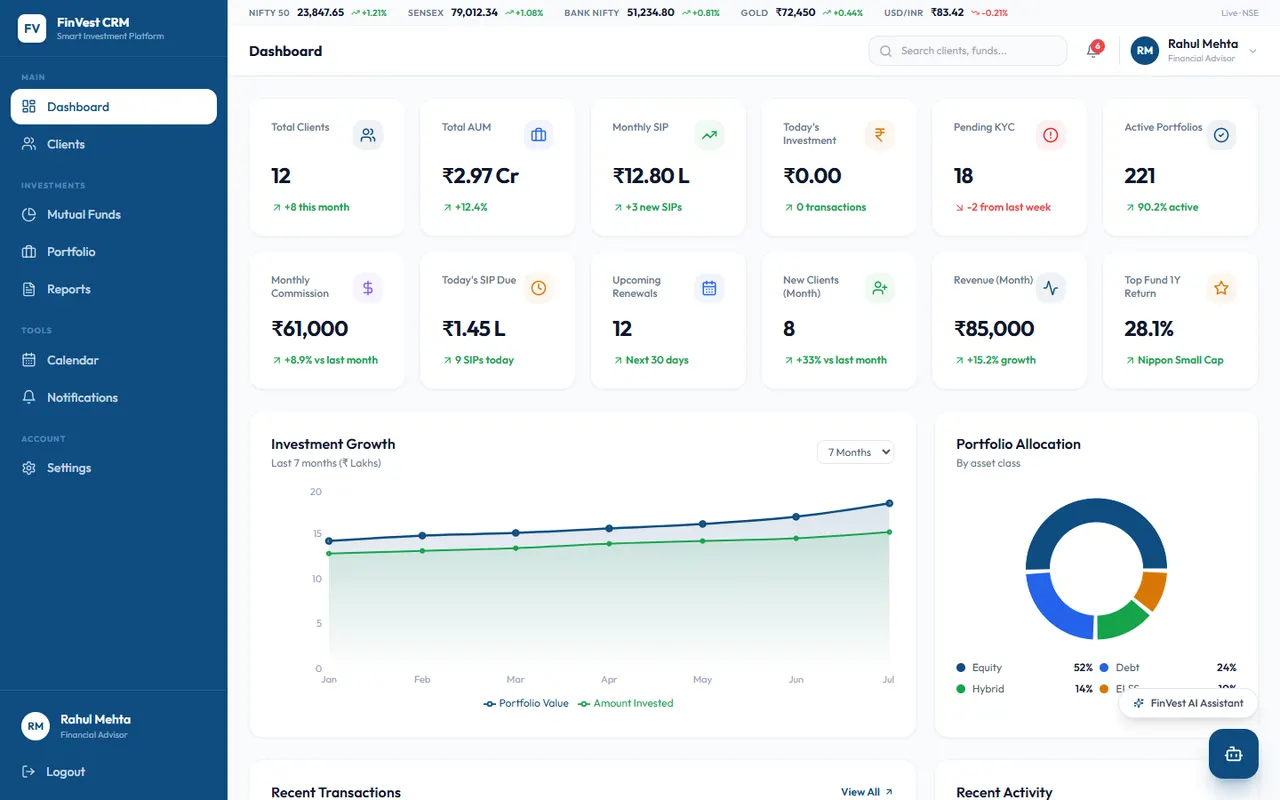
A company looking for a standard project management solution, for example, may find that an existing platform already provides task assignment, progress tracking, team communication, and reporting.
There is little reason to develop these features from scratch if an existing product meets the requirements.
However, ready-made software is designed around a general use case. Businesses with specialised workflows may eventually discover that the available features do not fully support their operations.
Customisation may be limited to the options provided by the software vendor. Additional integrations may require paid plans, third-party services, or workarounds.
Understanding Custom Software Development
Custom software is developed to address the specific requirements of an organisation.
Instead of adapting business operations to an existing product, the software is designed around the way the organisation works.
For example, a logistics company may need a platform that connects order management, vehicle allocation, delivery tracking, customer notifications, and operational reporting.
An existing product might cover some of these requirements, but the company may need custom functionality to connect the entire workflow.
Custom software development begins with understanding business requirements and translating them into technical specifications.
The process generally involves requirement analysis, architecture planning, UI/UX design, development, testing, deployment, and maintenance.
The resulting application can be designed to support the organisation's current operations and accommodate future changes.
However, custom software requires a greater commitment to planning, development resources, quality assurance, and ongoing maintenance.
Custom Software vs Off-the-Shelf Software: Key Differences
The main difference between the two approaches is how closely the software can match the organisation's requirements.
Factor
Custom Software
Off-the-Shelf Software
Development
Built around specific requirements
Pre-developed product
Initial investment
Generally higher
Often lower
Implementation
Requires development and deployment
Usually quicker to start
Functionality
Defined by project requirements
Based on available features
Customisation
Greater control over functionality
Limited by vendor options
Integrations
Can be designed for specific systems
Depends on supported integrations
Maintenance
Managed by the organisation or development partner
Usually managed by the vendor
Scalability
Can be planned around business requirements
Depends on product capabilities and pricing
Ownership
Depends on contract and IP arrangements
Usually licensed access
Long-term costs
Development, infrastructure, and maintenance
Subscriptions, upgrades, and additional services
Neither option is automatically more cost-effective. The decision depends on how well the software fits the business and what it costs to operate over time.
When Should a Business Choose Off-the-Shelf Software?
Off-the-shelf software is often a practical choice when business requirements are common and well supported by existing products.
A small business that needs basic accounting functionality may not benefit from building a complete accounting application.
Similarly, teams looking for standard project management, email marketing, or document management capabilities can often use established platforms.
The advantages become clear when the product provides the required functionality without extensive modifications.
Ready-made software also allows businesses to start using established workflows without waiting for a development project to finish.
However, businesses should evaluate subscription costs, user limits, data access, integration options, vendor support, and contract conditions before selecting a product.
A low initial subscription price does not necessarily mean a low long-term cost, particularly when additional features or users require more expensive plans.
When Does Custom Software Become a Better Choice?
Custom software becomes worth considering when existing products cannot support important business requirements.
This often happens when an organisation has specialised workflows, multiple systems that need to communicate, or operational processes that cannot be handled efficiently through standard applications.
Consider a manufacturing company managing production schedules, inventory, supplier information, quality checks, and dispatch operations.
Using separate tools for each activity may create duplicate data entry and make it difficult to maintain accurate information across departments.
A custom platform could connect these workflows through a central system.
Custom development may also be appropriate when a business is building a software product that it intends to offer to customers as part of its commercial model.
In this situation, the software is not simply an internal tool. It is part of the product or service being sold.
Businesses should also consider custom development when existing solutions impose limitations on important integrations, user experiences, or data management requirements.
The decision should be supported by a clear business case rather than a general preference for owning software.
Understanding the Total Cost of Ownership
Comparing software based only on its initial price can lead to poor decisions.
The total cost of ownership includes all expenses involved in implementing, operating, maintaining, and improving the software.
With off-the-shelf software, businesses may need to account for recurring subscriptions, additional users, premium features, integration charges, data storage, and vendor upgrades.
Over several years, these costs can become significant, especially when the software is used across multiple departments.
Custom software has a different cost structure.
The initial investment includes requirement analysis, design, development, testing, and deployment. Ongoing expenses may include cloud infrastructure, monitoring, security updates, bug fixes, and additional development.
Custom software can require more investment initially, but it may provide better alignment with business processes and reduce dependence on multiple disconnected products.
A proper comparison should examine the expected costs over a realistic period, such as three to five years.
It should also consider the operational cost of workarounds, manual processes, and limitations in the existing system.
Integration and Data Management Considerations
Software rarely operates independently within a modern business.
Applications often need to exchange information with payment gateways, CRM platforms, ERP systems, accounting software, communication tools, and external APIs.
Integration becomes particularly important when an organisation uses several applications to manage connected business processes.
Off-the-shelf products may offer integrations with popular services. However, the available integration options can vary between subscription plans and vendors.
Custom software can be designed around the systems an organisation already uses.
For example, a sales platform could be developed to connect lead management, customer records, billing, and reporting within a defined workflow.
Data consistency is another important consideration.
When multiple applications store the same information independently, businesses may experience duplicate records, outdated information, and reporting inconsistencies.
A well-planned software architecture should define how data is created, stored, transferred, and updated across connected systems.
The goal is not to integrate every available application. It is to ensure that the systems required for business operations communicate reliably.
Security, Compliance, and Data Ownership
Security requirements should influence software selection from the beginning.
Different businesses handle different categories of information. A basic internal task management system has different security requirements from an application processing financial transactions or sensitive customer records.
Off-the-shelf vendors generally manage the infrastructure and security of their products. However, businesses remain responsible for understanding how information is collected, stored, accessed, and processed.
Before choosing a vendor, organisations should review its security documentation, access controls, data retention policies, backup arrangements, and contractual terms.
Custom software provides greater control over how an application is designed and deployed, but that does not automatically make it more secure.
Security still depends on architecture, implementation quality, infrastructure configuration, access management, monitoring, and maintenance.
Data ownership and intellectual property should also be clarified in custom development agreements.
Businesses should understand who owns the source code, documentation, designs, and other project deliverables, along with the rights to modify and maintain them.
Can Businesses Combine Both Approaches?
The decision does not always need to be custom software or off-the-shelf software.
A hybrid approach can be more practical for many organisations.
For example, a company may use an existing accounting platform while developing a custom application to manage its specialised operational workflows.
The custom application can communicate with the accounting system through APIs, allowing each platform to handle the responsibilities it is best suited for.
Another example is a business using an established CRM while building a custom customer portal that provides functionality specific to its services.
This approach avoids rebuilding standard features while preserving flexibility where it matters.
However, a hybrid system requires careful integration planning, documentation, and monitoring to ensure that connected applications remain reliable.
How to Evaluate Your Business Requirements Before Making a Decision
Before investing in software, businesses should document the processes they want to improve.
Start by identifying the problems with the current workflow. These may include manual data entry, disconnected systems, limited reporting, repeated tasks, or difficulty accessing information.
Next, separate essential requirements from optional improvements.
This helps prevent organisations from selecting expensive software based on features they may never use.
Businesses should also evaluate the number of users, expected data volume, required integrations, security needs, and future operational changes.
Once these requirements are clear, compare existing products against them.
If an established solution covers the important requirements with manageable costs and acceptable limitations, purchasing it may be the better decision.
If critical workflows remain unsupported, custom software development may offer greater long-term value.
The evaluation should include technical feasibility, implementation timelines, maintenance responsibilities, and expected return on investment.
The Role of a Software Development Partner
When custom development is the appropriate option, selecting the right development partner becomes important.
A software development team should understand the business problem before recommending technologies or proposing an architecture.
The engagement should cover requirement documentation, technical planning, UI/UX design, development milestones, quality assurance, deployment, and ongoing support.
Businesses should also review the team's experience with relevant technologies and integration requirements.
A transparent working process helps stakeholders understand what is being developed, review progress, and provide feedback during the project.
Source code access, documentation, intellectual property ownership, security responsibilities, and maintenance arrangements should be agreed upon before development begins.
The objective is to establish a development relationship that supports the software throughout its lifecycle rather than focusing only on the initial release.
Final Thoughts
Custom software and off-the-shelf software solve different business problems.
Ready-made products are useful when standard functionality meets operational requirements. Custom software is worth considering when an organisation needs specific workflows, specialised integrations, or functionality that existing products cannot provide effectively.
The decision should be based on business requirements, total cost of ownership, integration needs, security, and long-term maintenance.
Businesses do not need custom software simply because it offers more flexibility. They need it when that flexibility solves a meaningful problem.
The most suitable solution is the one that supports business operations without introducing unnecessary cost or complexity.
About SyntecHire
SyntecHire is a technology services company providing custom software development, web application development, mobile app development, MVP development, AI automation, custom AI assistant development, UI/UX design, cloud and DevOps, quality assurance, and dedicated developer hiring services.
The company works with businesses to plan, develop, test, and maintain digital solutions based on their technical and operational requirements.
Website: https://www.syntechire.com/